
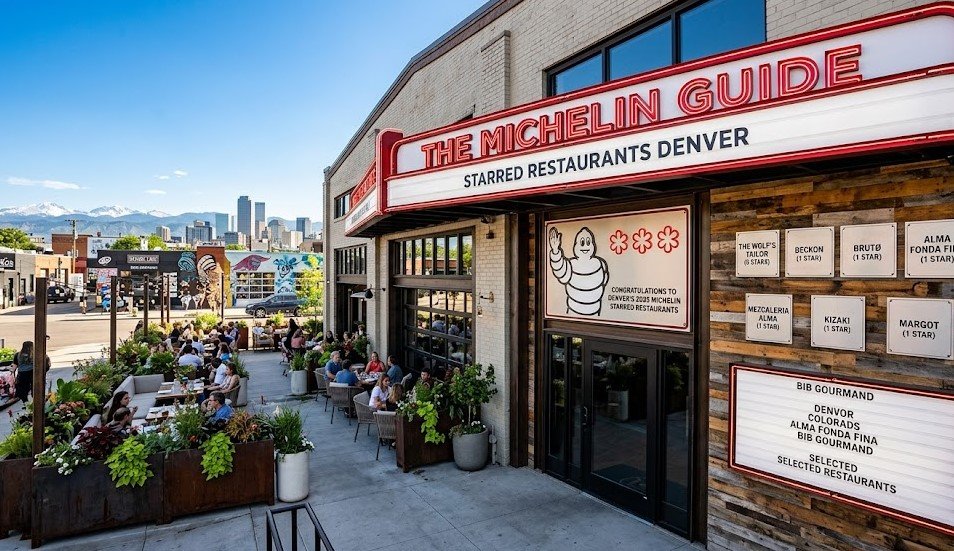
The arrival of the Michelin Guide in Colorado has significantly transformed the reputation of michelin star restaurants denver, positioning the city as one of the most exciting emerging fine-dining destinations in the United States. For years, Michelin recognition was concentrated in major culinary capitals such as New York, Chicago, and San Francisco, but Denver’s inclusion reflects a broader shift toward celebrating regional innovation, sustainability, and chef-driven creativity. This recognition has given local chefs a global platform, allowing them to showcase their culinary identity on an international stage and attract food enthusiasts from around the world.
From an industry perspective, Michelin recognition has had a powerful economic and cultural impact on Denver’s dining scene. Restaurants that earn Michelin stars often see a dramatic increase in reservations, tourism interest, and media attention, which can reshape their business overnight. Many establishments experience fully booked schedules for weeks or even months, as diners travel specifically to experience award-winning cuisine. The Michelin evaluation process itself is highly rigorous, focusing on factors such as ingredient quality, technical skill, flavor balance, and consistency across multiple visits, ensuring only the most exceptional restaurants are recognized.
Beyond prestige and demand, the Michelin Guide has encouraged a new wave of creativity within Denver’s culinary community. Chefs are increasingly focusing on locally sourced ingredients, seasonal menus, and innovative tasting experiences that push the boundaries of modern dining. Sustainability has also become a key theme, with many restaurants adopting eco-friendly practices such as zero-waste cooking and farm-to-table sourcing. As a result, Denver’s restaurant industry is no longer just growing—it is evolving into a globally respected culinary hub that continues to redefine what fine dining means in the modern era.
Overview of Michelin Star Restaurants in Denver (2026 Updated List)
The current landscape of michelin star restaurants denver reflects a carefully curated selection of high-end dining establishments that have earned recognition for their creativity, precision, and consistency. Unlike larger cities with dozens of starred venues, Denver’s Michelin list is more selective, which makes each awarded restaurant even more significant. As of 2026, the city features a mix of one-star and two-star restaurants, each offering a distinct culinary identity shaped by modern techniques, local ingredients, and globally inspired flavors.
At the top of the list is a rare two-star restaurant that represents the highest level of culinary achievement in the region. Alongside it, several one-star restaurants highlight Denver’s diversity in cuisine, ranging from contemporary American tasting menus to Japanese omakase and modern Mexican fine dining. This variety shows how the city is not limited to one style of cooking but instead embraces a wide spectrum of culinary traditions and innovations.
Together, these Michelin-recognized restaurants form a compact but powerful dining scene that continues to evolve each year. The exclusivity of the list also adds to its appeal, as food lovers often plan special trips specifically to experience these award-winning kitchens. Denver’s Michelin lineup is a clear signal that the city is steadily rising as a serious contender in the global fine-dining world.
Two-Star Spotlight: The Wolf’s Tailor Experience
The most prestigious name in the world of michelin star restaurants denver is undoubtedly The Wolf’s Tailor, a rare two-star establishment that has redefined fine dining in Colorado. This restaurant stands out not only because of its Michelin recognition but also because of its deeply creative philosophy that blends modern American cuisine with Asian-inspired techniques and wood-fired cooking traditions. From the moment guests enter, the experience feels intentional and immersive, designed to engage all senses rather than simply deliver a meal.
What makes The Wolf’s Tailor especially unique is its strong commitment to sustainability and innovation. The kitchen follows a near zero-waste approach, meaning ingredients are used thoughtfully and creatively across multiple dishes. The tasting menu changes frequently based on seasonal availability, which ensures every visit feels fresh and unpredictable. Diners often describe the experience as a journey rather than a traditional dinner, with each course telling a story through flavor, texture, and presentation.
Beyond its culinary excellence, the restaurant also emphasizes atmosphere and design. The space itself blends rustic architecture with modern minimalism, creating a warm yet refined environment. Guests are encouraged to slow down and fully engage with each course, making it one of the most memorable dining experiences in the city. This combination of artistry, sustainability, and precision is what helped The Wolf’s Tailor achieve its rare two-star Michelin status and establish itself as a leader in Denver’s fine dining evolution.
One-Star Excellence: Beckon, Brutø, Kizaki, Margot & Mezcaleria Alma
The group of one-star establishments in michelin star restaurants denver showcases the city’s remarkable diversity in culinary talent, with each restaurant offering a completely different interpretation of fine dining. Unlike traditional restaurant clusters that focus on a single cuisine style, Denver’s Michelin one-star scene spans contemporary American, Japanese omakase, experimental tasting menus, and modern Mexican cuisine. This variety highlights how chefs in the city are not only mastering technique but also expressing strong cultural and personal identities through food.
Among these, Beckon is widely recognized for its intimate dining format and carefully curated tasting menus that change with the seasons. Brutø takes a more experimental approach, focusing on fermentation, open-fire cooking, and hyper-local sourcing that pushes culinary boundaries. Kizaki represents precision and tradition through its refined Japanese omakase experience, where every dish is prepared with meticulous attention to detail. Meanwhile, Margot offers a modern American perspective with elegant plating and balanced flavors, and Mezcaleria Alma brings vibrant Mexican influences with bold spices and contemporary presentation.
What connects all these restaurants is their commitment to craftsmanship and consistency, which are key factors in earning Michelin recognition. Each dining experience is designed to feel personal, immersive, and memorable, often with limited seating to maintain quality and attention to detail. Together, they form the backbone of Denver’s Michelin one-star scene, proving that the city is capable of delivering world-class dining across multiple cuisines and styles.
Fine Dining Trends Behind Denver’s Michelin Recognition
The rise of michelin star restaurants denver is closely tied to broader shifts in how modern fine dining is defined, especially in emerging culinary cities like Denver. One of the strongest trends is the move toward hyper-local sourcing, where chefs build entire menus around ingredients grown within Colorado and nearby regions. This approach not only improves freshness and sustainability but also gives each restaurant a strong sense of place, allowing diners to experience the natural identity of the region through food.
Another major trend shaping Denver’s Michelin success is the emphasis on experiential dining. Instead of traditional à la carte menus, many Michelin-recognized restaurants now focus on multi-course tasting menus that guide guests through a structured culinary journey. These experiences often combine storytelling, visual presentation, and flavor progression, turning dinner into something closer to an artistic performance. This style of dining reflects a global shift in fine dining, where emotion and creativity are just as important as technical skill.
Innovation in cooking techniques is also a defining factor. Many Denver chefs are experimenting with fermentation, open-fire grilling, and cross-cultural fusion, blending global influences into locally inspired dishes. This experimentation helps restaurants stand out in Michelin evaluations, where originality and consistency are highly valued. As a result, Denver is no longer seen as an “emerging” food city but as a serious contender in shaping the future of modern American fine dining.
What Makes Denver a Rising Culinary Destination in the U.S.
The growing reputation of michelin star restaurants denver is one of the clearest signs that Denver has evolved into a major culinary destination in the United States. Traditionally overshadowed by cities like New York, Los Angeles, and Chicago, Denver is now gaining attention for its unique combination of mountain-region ingredients, creative chefs, and a strong culture of innovation. This blend has helped the city carve out its own identity rather than simply replicating established food capitals.
A key factor behind this rise is Denver’s access to high-quality regional produce and livestock, which gives chefs a strong foundation for building seasonal, ingredient-driven menus. The proximity to farms, ranches, and artisanal producers allows restaurants to maintain freshness and authenticity in their dishes. At the same time, the city’s growing population of internationally trained chefs has introduced global techniques and perspectives, creating a fusion of local and international culinary styles that feels both fresh and distinctive.
Denver’s dining culture also benefits from a strong emphasis on sustainability and community-driven food practices. Many restaurants prioritize ethical sourcing, minimal waste, and direct relationships with local farmers, which aligns closely with modern Michelin values. Combined with increasing tourism and national recognition, these factors have positioned Denver not just as a regional food hub, but as a rising force in the global fine-dining landscape with long-term growth potential.
Tips for Booking Michelin Star Restaurants in Denver
Dining at michelin star restaurants denver requires more planning than a typical night out, mainly because these restaurants are small, highly in demand, and often operate with limited seating. Many Michelin-starred establishments in Denver use reservation systems that open weeks or even months in advance, and prime time slots—especially weekends—can be taken within minutes. Because of this, diners are strongly encouraged to plan early and remain flexible with dates and dining times.
Another important tip is understanding the dining format before booking. Most Michelin-starred restaurants in Denver focus on tasting menus rather than traditional à la carte options, meaning guests should be prepared for a longer, structured experience that can last several hours. Some restaurants also require prepaid reservations or deposits to secure a table, which helps reduce last-minute cancellations. Dress codes may vary, but most venues expect smart casual to upscale attire to match the fine-dining atmosphere.
It is also helpful to consider weekday reservations, which are often easier to secure and may provide a more relaxed dining experience. Guests should arrive on time, as Michelin restaurants typically run on tightly coordinated service schedules. With proper planning and awareness, securing a table at one of Denver’s Michelin-starred restaurants becomes much more achievable, allowing diners to fully enjoy one of the city’s most exclusive culinary experiences.
Conclusion
The rise of michelin star restaurants denver marks a defining moment in the city’s culinary evolution, transforming it from a regional dining scene into a globally recognized fine-dining destination. With a small but highly curated selection of Michelin-starred restaurants, Denver now stands alongside some of the most respected food cities in the world. Each awarded restaurant reflects a strong commitment to creativity, precision, sustainability, and storytelling through food, making the dining experience both memorable and meaningful.
What makes Denver especially unique is not just the presence of Michelin stars, but the way its chefs interpret modern cuisine. From experimental tasting menus to refined cultural traditions and locally sourced ingredients, the city offers a dynamic balance between innovation and authenticity. As the dining scene continues to grow, Denver is expected to attract even more international attention, further strengthening its position in the global culinary map.
FAQs
1. How many Michelin star restaurants are in Denver?
Denver currently has a small group of Michelin-starred restaurants, including both one-star and a rare two-star establishment.
2. What is the best Michelin star restaurant in Denver?
The Wolf’s Tailor is widely regarded as the top-rated Michelin restaurant in Denver with two stars.
3. Do Michelin star restaurants in Denver require reservations?
Yes, most Michelin-starred restaurants in Denver require advance reservations due to high demand and limited seating.
4. Why is Denver becoming famous for Michelin restaurants?
Denver is gaining recognition due to its creative chefs, local ingredients, and innovative dining experiences that align with Michelin standards.
Visit For More Gossips and Information go to Coomer
 Admin
Admin